- Sellify Success Club
- Posts
- Walmart just exposed a loophole in Google Shopping (and it’s bigger than you think)
Walmart just exposed a loophole in Google Shopping (and it’s bigger than you think)

Ada at Sellify
April 06, 2026
Sponsored by

Happy Easter holiday to all who celebrate👋
Ada here, your ecom-obsessed wingwoman with another dose of strategies to help you grow your store by 1% this week.
Inside today’s edition:
Walmart just exposed a cheatcode in Google Shopping
Careful, Claude code is getting merchants banned from Meta
Weekly Challenge: Automate safely without losing your account.
Trend: Glossing shampoo
Let’s get into it.
Walmart just exposed a loophole in Google Shopping (and it’s bigger than you think)
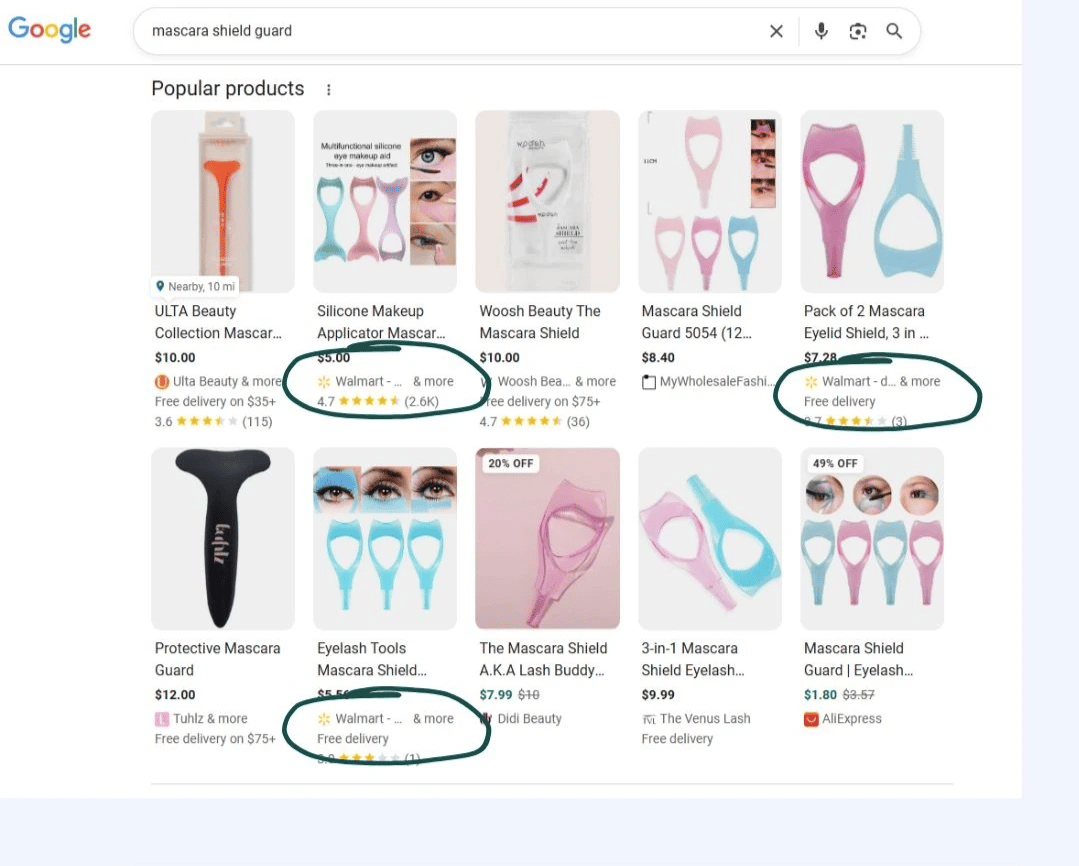
A new study analyzing > 1million Google Shopping listings found that Walmart appears in Google Shopping results 1,600+ times… under different seller names…all linking back to Walmart.com.
So as a seller, instead of competing once in a product carousel… you can compete hundreds of times, as multiple “identities.”
This matters because Google’s Shopping algorithm counts seller names, not domains. So while your Shopify store gets 1 shot per carousel…Walmart gets dozens.
And here’s the kicker:
ChatGPT pulls ~83% of its product results from Google Shopping…. so this advantage doesn’t just live in Google…it’s quietly bleeding into AI shopping too.
How Jennifer Aniston’s LolaVie brand grew sales 40% with CTV ads

The DTC beauty category is crowded. To break through, Jennifer Aniston’s brand LolaVie, worked with Roku Ads Manager to easily set up, test, and optimize CTV ad creatives. The campaign helped drive a big lift in sales and customer growth, helping LolaVie break through in the crowded beauty category.
Using Claude code for your ads? You could get banned from Meta
As seen in the streets…
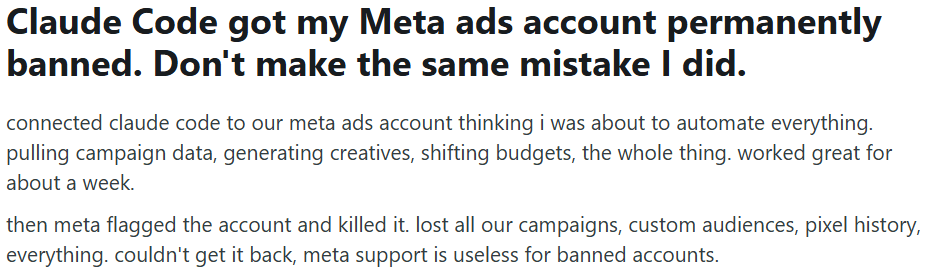
If you’re experimenting on using Claude code to automate thinsg in your store, this one’s for you.
AI-generated creatives being published without human review violates Meta's ad policies. Plus the set up hits the API too fast and the automated budget changes looked exactly like bot activity to Meta's fraud detection system…. because guess what? It is bot activity.
The lesson here is that you let AI do the reading, not the writing. Analysis, creative drafts, and performance summaries are safe. Automated publishing, budget changes, and anything that looks like programmatic account activity is not. Keep a human hand on every action that touches the account directly.
Tip: The right way to use AI to improve your store visibility: Use Plug In AI to fix what’s preventing your store from ranking organically, then use RankPrompt to track your AI visibility across agents.
Weekly Challenge: Automate safely without losing your account.
Step 1 (20 mins): Go into every tool connected to your Meta or Google ad accounts and check which ones have write access through the API. If anything can publish ads or change budgets automatically, downgrade it to read-only unless it is absolutely necessary.
Step 2 (20 mins): Review your automated rules. If any rule changes budgets more than once a day or publishes new creatives without manual approval, pause it. Rapid budget swings and bulk creative uploads look like bot behaviour to Meta's fraud detection, regardless of intent.
Step 3 (20 mins): Add one human review checkpoint before any campaign goes live. Even a five-minute manual confirmation between AI suggestion and account action can prevent irreversible damage.
One hour of prevention is worth more than a month of fighting with Meta support to recover a banned account.
Trending Product: Glossing Shampoo
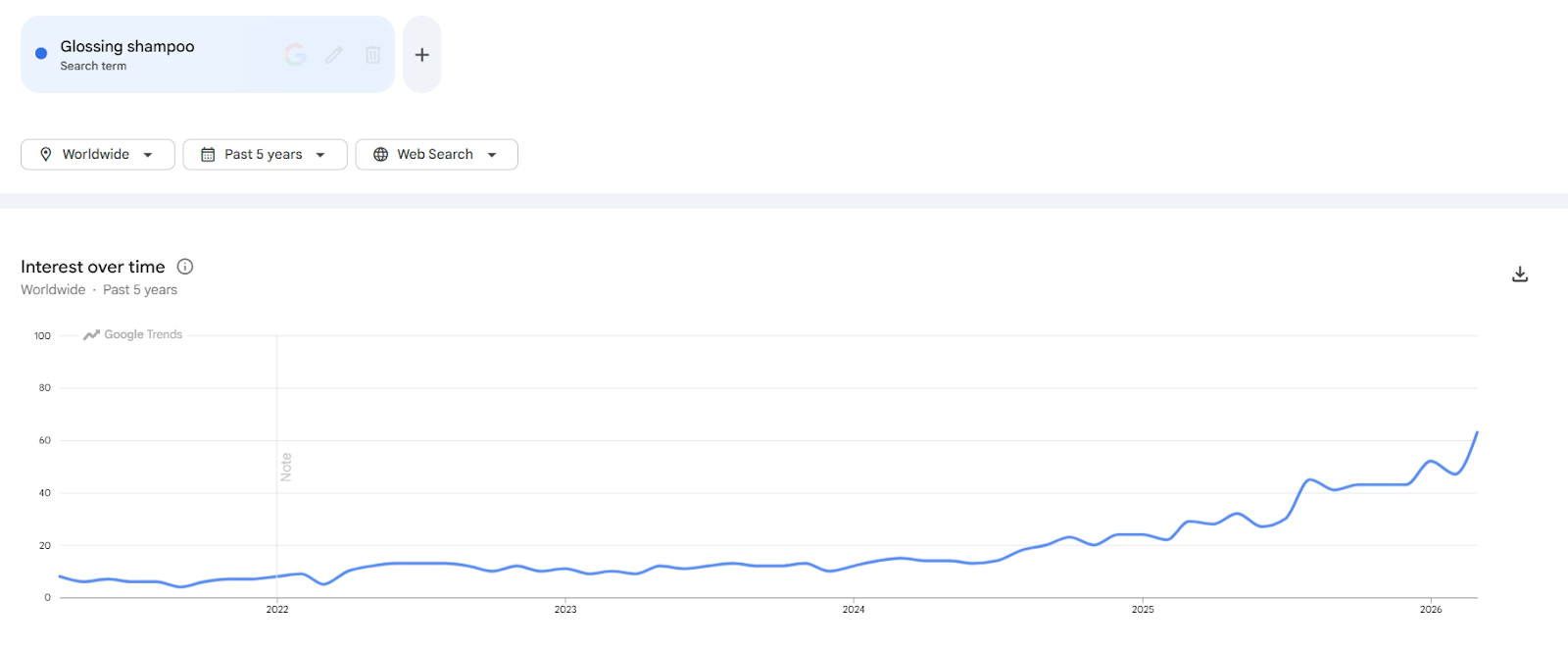
Searches for glossing shampoo have effectively surged by 350% since July 2025, reaching 3,600 monthly searches as the "glass hair" aesthetic dominates social media feeds.
While a standard wash just cleans, these glossing versions offer color protection and a polished finish that people are obsessed with right now.
One top brand in the space is generating over $400,000 a month on Amazon just by selling the "expensive hair" look in a bottle.
👉 How you can tap into this trend:
Private label glossing formulas: Partner with manufacturers to create shine-enhancing blends featuring ingredients like citric acid or silk proteins.
Visual content strategy: Focus on "high-gloss" transition videos on TikTok and Reels. Show the immediate difference in light reflection to stop the scroll.
The high-shine bundle: Pair glossing shampoos with microfiber hair towels or silk scrunchies to position the product as part of a complete "luxe hair" evening routine.
Till next Monday,
Ada