- Sellify Success Club
- Posts
- Shopify is trying to help sellers sell inside AI chats
Shopify is trying to help sellers sell inside AI chats

Ada at Sellify
December 29, 2025
In partnership with

Happy last-Monday-of-2025 to you, Shopify Rockstar! Hope you’re having a restful holiday season.
Ada here, with another edition to help you improve your store by 1% this week. Here’s what’s worth your attention this week:
Industry: Shopify lets you sell inside AI conversations
Growth hack: Fix your email structure so people actually read it
Weekly challenge: Clean up one email in under 60 minutes
Trend: Trendsi
Let’s get in.
Industry: Shopify’s “Agentic Storefronts” quietly change how people will shop
We’ve covered so much on AI in 2025 that no one needs to be reminded about how quickly search is changing. More people are asking AI what to buy and Shopify is trying hard to help its merchants appear in these convos.
With the newly launched agentic storefronts, Shopify is trying to help stores sell to directly inside AI conversations… like ChatGPT, Perplexity, and Microsoft Copilot.
Your competitors are already automating. Here's the data.

Retail and ecommerce teams using AI for customer service are resolving 40-60% more tickets without more staff, cutting cost-per-ticket by 30%+, and handling seasonal spikes 3x faster.
But here's what separates winners from everyone else: they started with the data, not the hype.
Gladly handles the predictable volume, FAQs, routing, returns, order status, while your team focuses on customers who need a human touch. The result? Better experiences. Lower costs. Real competitive advantage. Ready to see what's possible for your business?
Shopify says you turn this on and they handle the backend work. Your pricing, inventory, product details, and brand info are shared automatically with supported AI platforms. Orders still land in your Shopify dashboard like normal, with tracking and reporting.
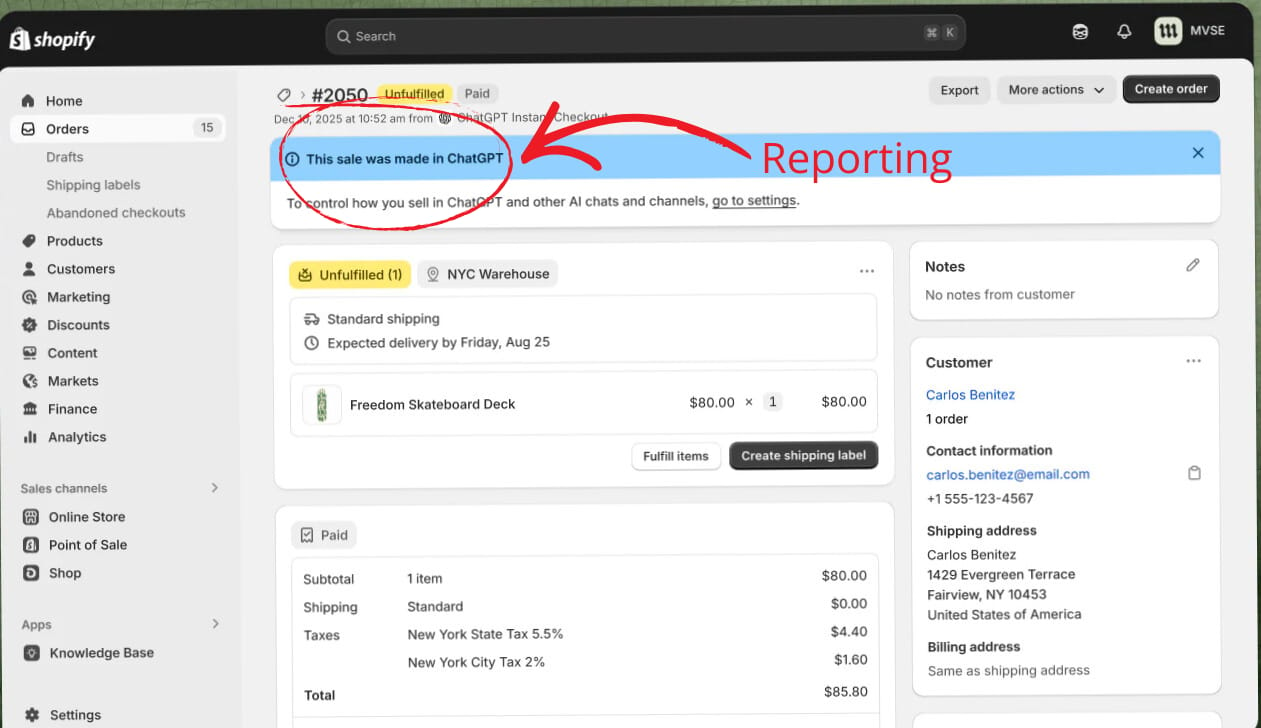
But at the end of the day, organic visibility cannot sustainably happen without your input. You can turn on a button, but who’s going to check that your store’s keywords match the highest volume search keywords?
You choose where your products appear, how your brand is described, and whether checkout happens inside chat or on your store. You remain the sole determiner of how you get seen as there’s a lot you would need to do to fully optimize your store for visibility.
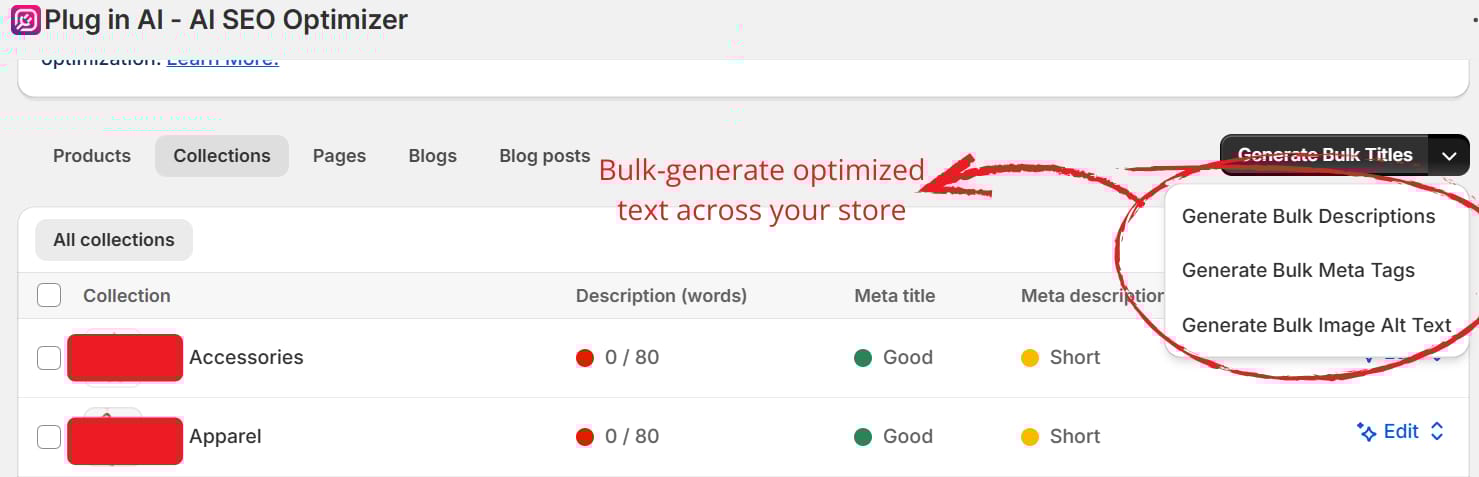
And the way you control your visibility is by ensuring that your products show up wherever they are searched for. You do this by optimizing your listing for search engine visibility. If you have hundreds of products, use a tool like Plug In AI to speed up the process.
Growth Hack: If you’re looking for upsell revenue, chase affinity
As Ridge scaled globally across five Shopify stores, they needed a flexible post-purchase system that didn’t break their custom stack, and rather than look outside, they looked at data and noticed something critical.
They noticed something surprising:
👉 The upsells with the highest conversion rates were also the ones customers liked the most.
Affinity for certain products was working harder than discounts were.
For customers that bought an everyday carry item, they offered a KeyCase that completes the same daily routine.
Customers that bought luggage got offered a matching check-in bag that completes the travel setup.
Not random “best sellers” but logical extensions of the original purchase.
Weekly Challenge: Fix your upsells in 60 minutes
Set aside 20–30 minutes this week to create one post-purchase upsell that completes the original purchase based on the most logical next item.
Ask yourself:
What product naturally belongs with this order?
What would make the customer feel like their setup is finished?
What would they likely buy anyway in the next 30–60 days?
Then use Aftersell to set up one product pair (e.g. main product → accessory).
Trend: Trendsi

Trendsi is a fashion fulfillment platform that lets sellers sell fashion without inventory. Merchants can access over 100,000 on-trend styles with a minimum order quantity as low as six units. One store using Trendsi reportedly launches new product drops every weekday and has grown revenue by 142% year over year.
Dropshipping now accounts for roughly 27% of all online retail, representing a $366B market. On TikTok Shop alone, over 280 million women’s fashion items were sold last year, with menswear adding nearly 95 million more.
What this means for you:
Even if you don’t want to be a “dropshipper,” this trend creates opportunity. You can test new categories faster, validate demand before buying inventory, or launch limited drops without upfront risk. Fashion especially rewards speed and these tools reduce the cost of experimenting.
That’s it for this week.
Till next Monday,
Ada